In the cigarette packaging industry, precision and stability are critical. The sandwich cutting die, also known as a laminated die, has become the industry standard for high-end cigarette cartons due to its exceptional accuracy, durability, and suitability for high-speed die-cutting machines.
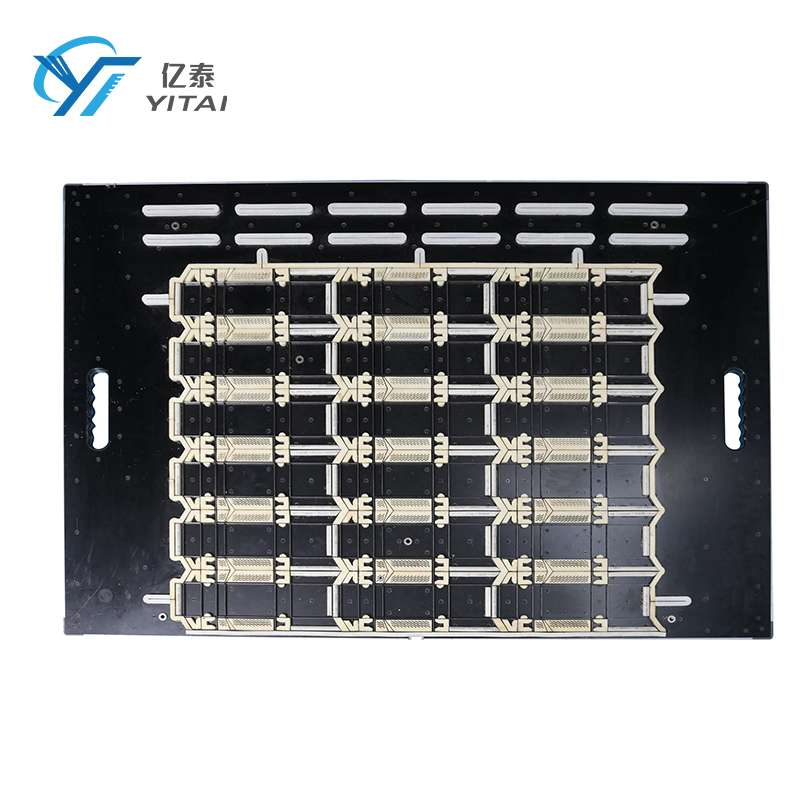
Below is an overview of the manufacturing process of cigarette packaging sandwich cutting dies, based on practical production experience.
A sandwich cutting die features a multi-layer structure, typically composed of:
Top support board
Middle layer with cutting and creasing rules
Bottom reinforcement board
This layered “sandwich” design provides superior rigidity and dimensional stability compared with conventional single-layer wooden dies.
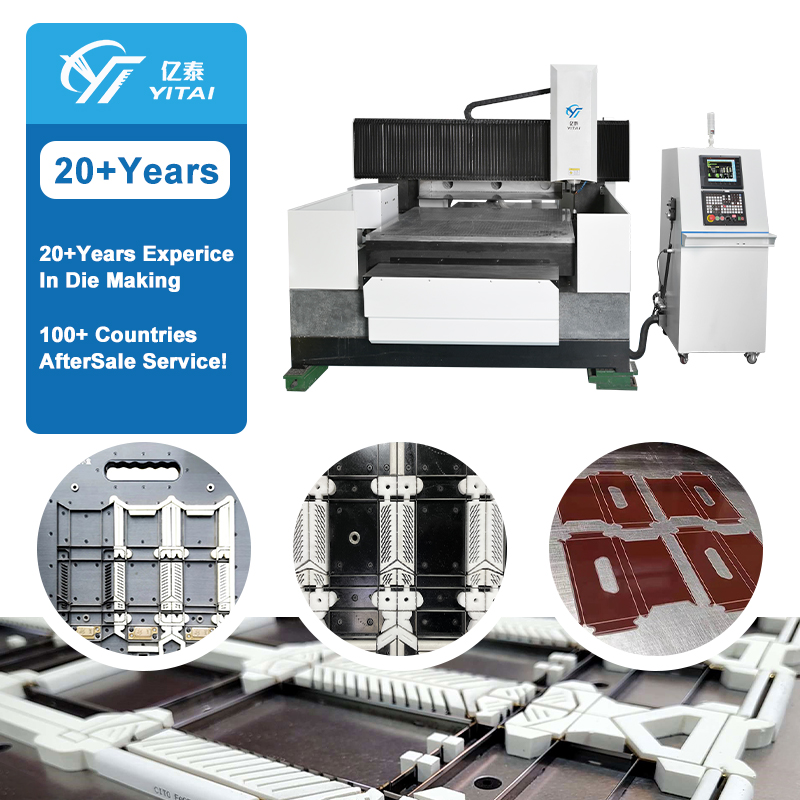
Extremely high cutting accuracy (up to ±0.05 mm)
Long service life
Excellent performance in high-speed, large-volume production
1. The process starts with precise die design based on:
Carton dielines (AI / CAD files)
Paperboard type and grammage (white board, aluminum-foil laminated paper, composite materials)
Die-cutting machine specifications (e.g. BOBST, Masterwork, SBL)
2. Special attention is given to:
Cutting lines
Creasing lines
Perforation and tear-open features
Compensation for material thickness and folding behavior
For cigarette packaging, tolerance control is extremely strict, often within ±0.05 mm.
1. Board Materials
Sandwich cutting dies typically use three layers:
Top layer: Imported birch plywood or resin board for stability
Middle layer: High-density plywood to precisely hold cutting rules
Bottom layer: Hardwood or aluminum plate to resist pressure and deformation
2. Cutting Rules
High-carbon steel cutting rules (commonly 23.8 mm height)
Creasing rules, flat or rounded, customized to paper thickness
Perforation rules for tear strips and opening features
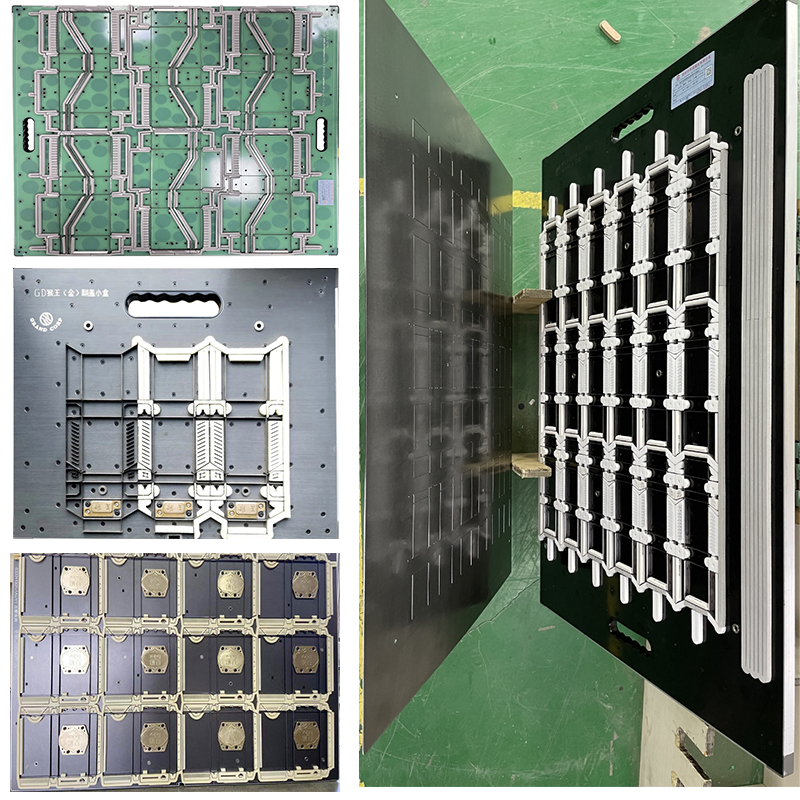
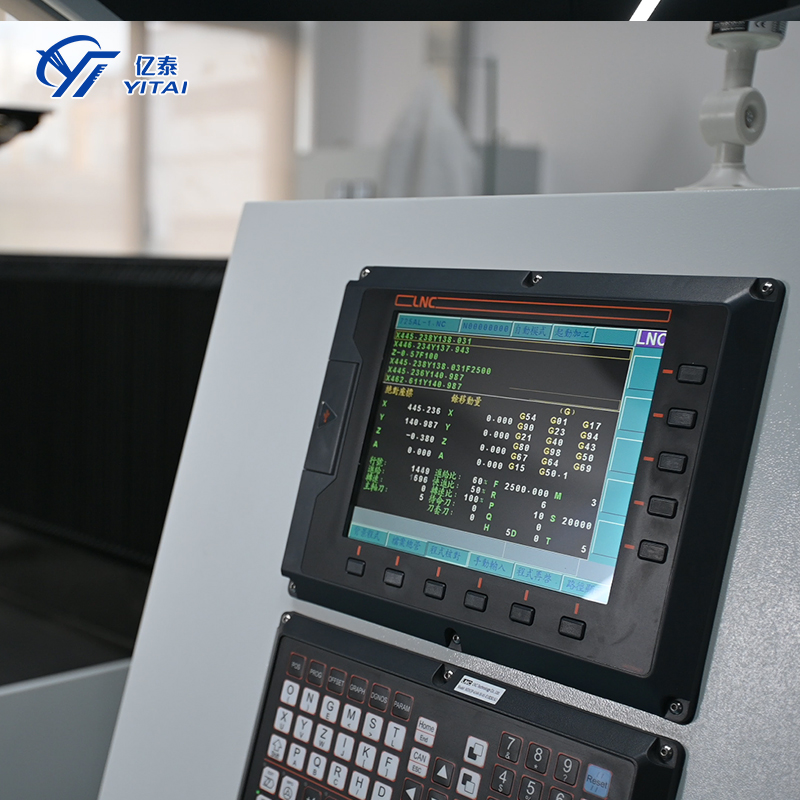
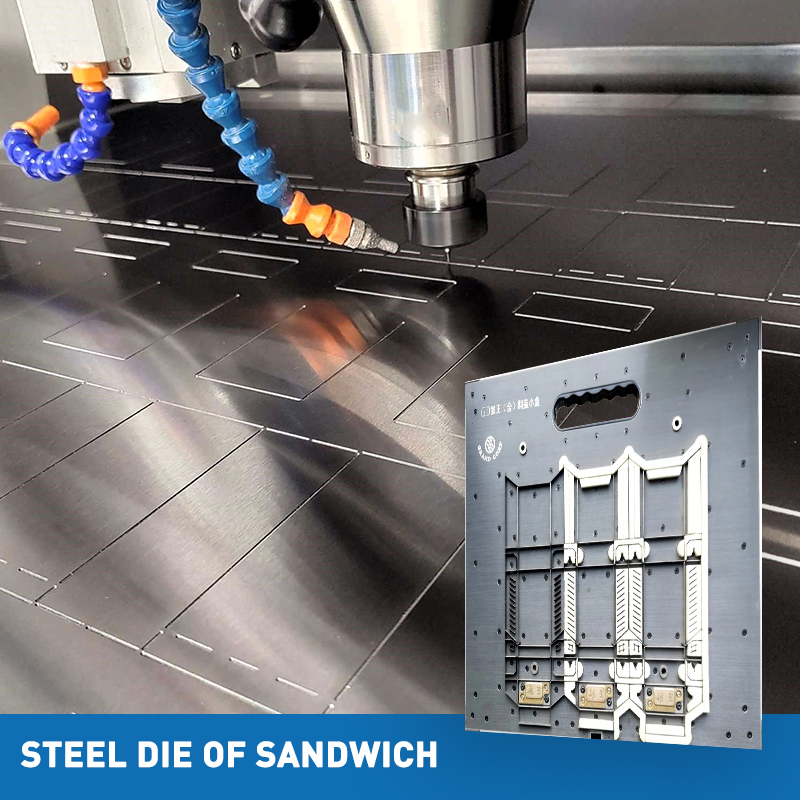
Using CNC routers or laser machines, rule slots are machined strictly according to the CAD files.
Critical parameters include:
Slot depth and width
Verticality and positioning accuracy
Consistency across the entire die
High vertical precision is essential to avoid issues such as incomplete cutting, edge bursting, or misalignment during production.
Send an inquiry right now, our sales will reply with the price within 12 hours.