In the production of dies for packaging, labels, folding cartons, and flexible materials, the laser die board is one of the most essential components. Its quality directly affects cutting accuracy, die lifespan, and overall production efficiency.
Although many wood types are available on the market, choosing the wrong material can lead to issues such as:
Poor cutting accuracy
Warping and cracking
Shortened die life
Frequent downtime due to board replacement
To ensure stable and precise die cutting, selecting the right laser die board wood is critical. Below is a complete guide for die makers, focusing on the four core principles of material selection.
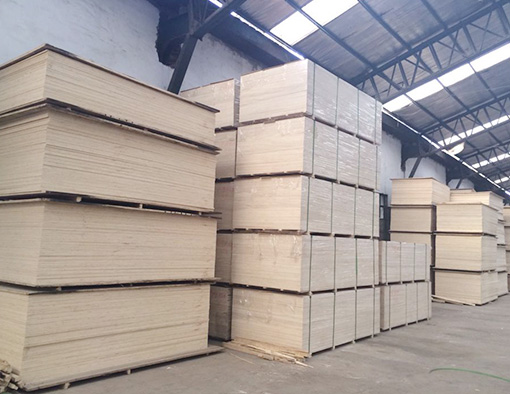
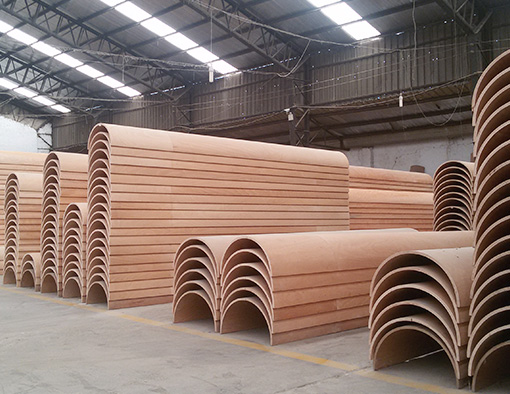
Why it matters:
Wood that expands or shrinks under temperature and humidity changes will cause dimensional errors, blade misalignment, and tension changes during die cutting.
Key Recommendations:
Choose wood that has undergone strict kiln drying and stabilization treatment.
Laminated plywood is typically more stable than solid wood.
Why it matters:
Wood density influences both laser cut quality and the die’s durability.
Too dense:
→ Slower laser cutting
→ More charring
→ Higher heat generation
Too soft:
→ Blades loosen over time
→ Reduced die life
→ Poor cutting consistency
Ideal Choice:
Boards with even density, free of knots and voids, and consistent fiber structure.
Why it matters:
Woods with high resin content generate smoke and tar during laser cutting, causing:
Black residues on the kerf
Contamination of adhesive labels
Increased post-processing work
Key Tip:
Choose low-smoke, low-resin plywood designed specifically for laser processing.
Features:
Cross-laminated structure ensures excellent dimensional stability
High and uniform density provides clean kerf and excellent blade grip
Smooth laser cutting with minimal residue
Best For:
High-precision applications, long runs, self-adhesive labels, packaging boxes, thin-film cutting.
Trade-off:
Higher cost, but superior long-term performance and durability.
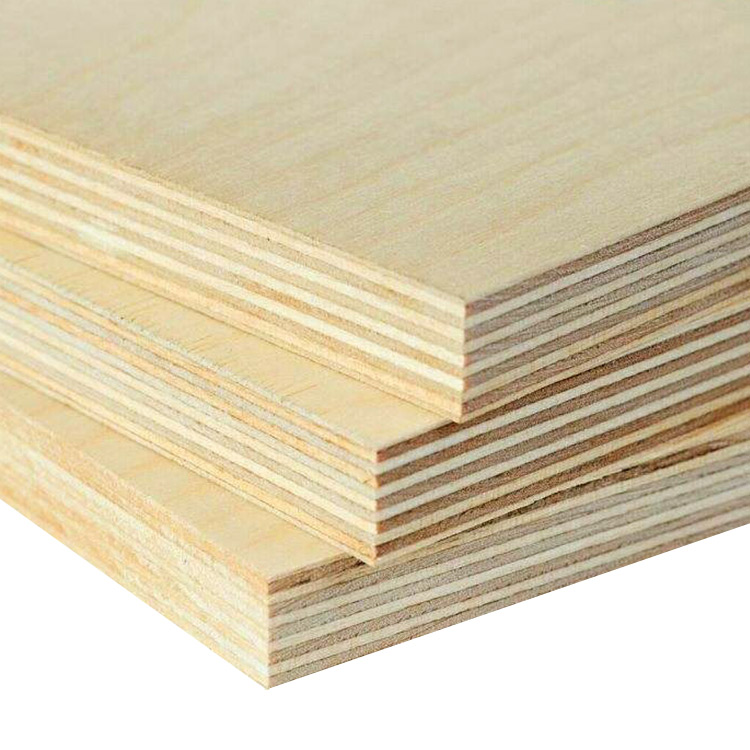
Features:
Higher hardness and wear resistance
Stable laminated structure
Good durability for medium to long production runs
Best For:
Die cutting thicker materials such as carton board and corrugated board.
Trade-off:
Harder material demands higher laser power and may increase lens maintenance.
Features:
Cost-effective and lightweight
Good laser cutting speed due to lower density
Easy to process
Best For:
Short runs, prototyping, and cost-sensitive applications.
Trade-off:
Lower durability
Less stable in extreme humidity
Kerf accuracy may degrade over time
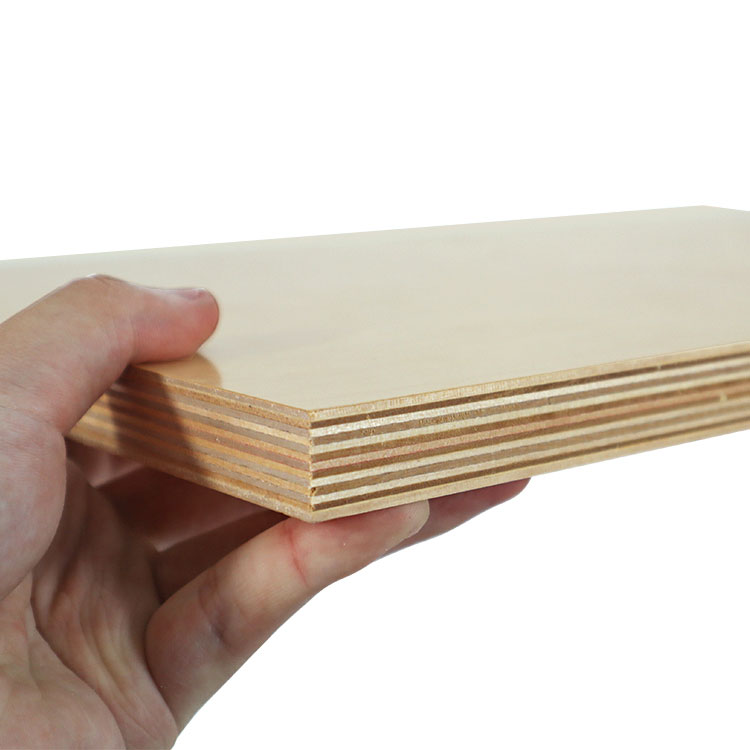
The wood base is the foundation of every laser die.
Among available materials, Birch Laminated Board remains the most reliable choice for professional die makers due to its:
High stability
Consistent density
Superior laser cutting performance
Longer overall lifespan
Although birch plywood may cost more initially, it provides higher accuracy, fewer defects, reduced downtime, and greater long-term value.
Don’t let inferior die board wood become the weakest link in your die-making workflow.
Related Article
How to Check the Quality of Rotary Die Boards (Rotary Shells) | YITAI
Send an inquiry right now, our sales will reply with the price within 12 hours.