In the global die-making market, many buyers sourcing factory-directly sales plywood or factory-directly sales die board often ask the same question:
“These rotary die boards look almost the same. Same size, same thickness, same machine fit—so why do prices vary so much?”
The truth is, the difference is rarely on the surface. It lies in materials, structure, precision, and long-term stability, especially when selecting good quality rotary plywood or a good quality die board for laser die making.
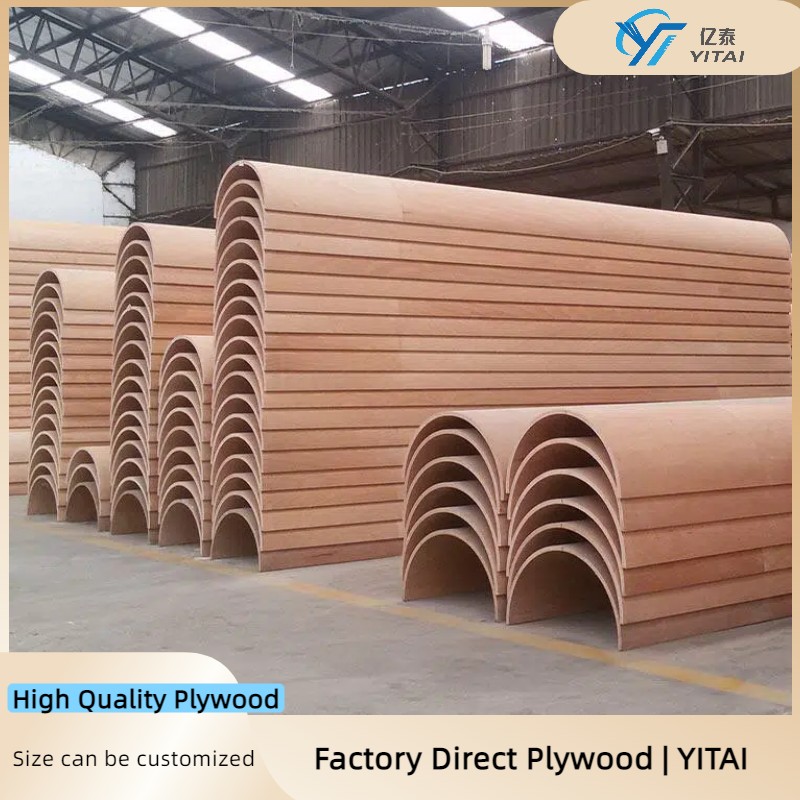
Although they are all called plywood, not all China multilayer plywood or China multilayer die board is created equal.
Key material differences include:
Birch plywood vs. poplar plywood
Birch core die board vs. poplar core die board
Veneer consistency and internal core integrity
Adhesive quality and bonding stability
Low-cost boards may hide:
Internal cracks
Patched or mixed cores
Weak bonding layers
High-quality options—such as birch core plywood, poplar core plywood, or plywood for die makers—deliver superior strength, cutting resistance, and longer service life, especially for plywood laser die cut plywood applications.
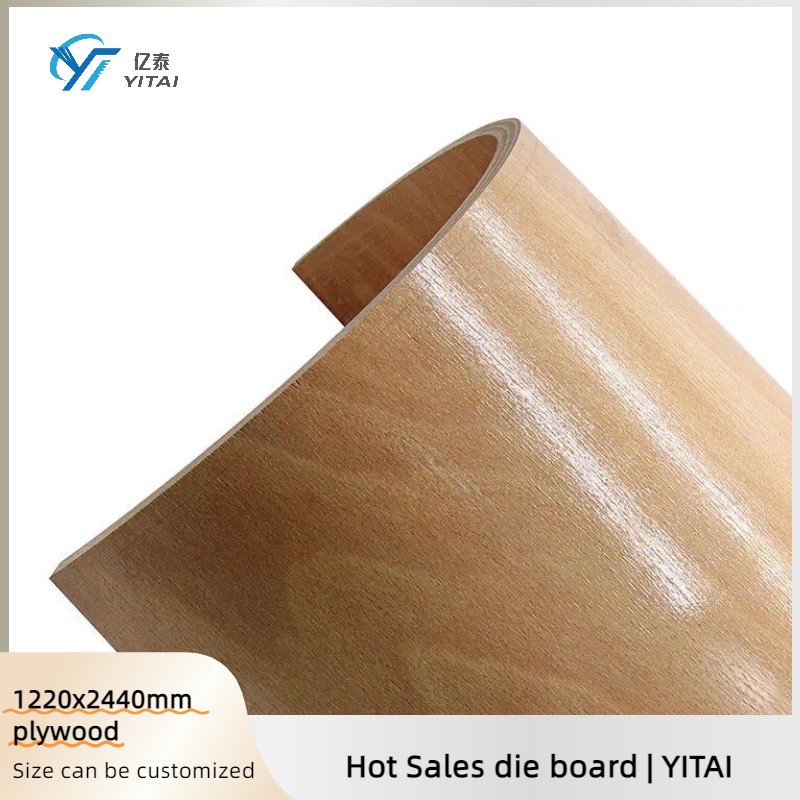
A competitive price plywood or competitive price die board may fit the machine—but that doesn’t mean it runs well.
Critical machining factors include:
CNC machining precision
Thickness tolerance control (especially for 18mm die board, 15mm die board, 12mm die board, 6mm die board, or 0.5 inch die board)
Roundness and concentricity
Low-precision boards often require repeated adjustment.
In contrast, high quality die board and high quality plywood ensure smooth mounting, stable rotation, and reduced setup time—especially important for flat die making plywood and flat die making die board.
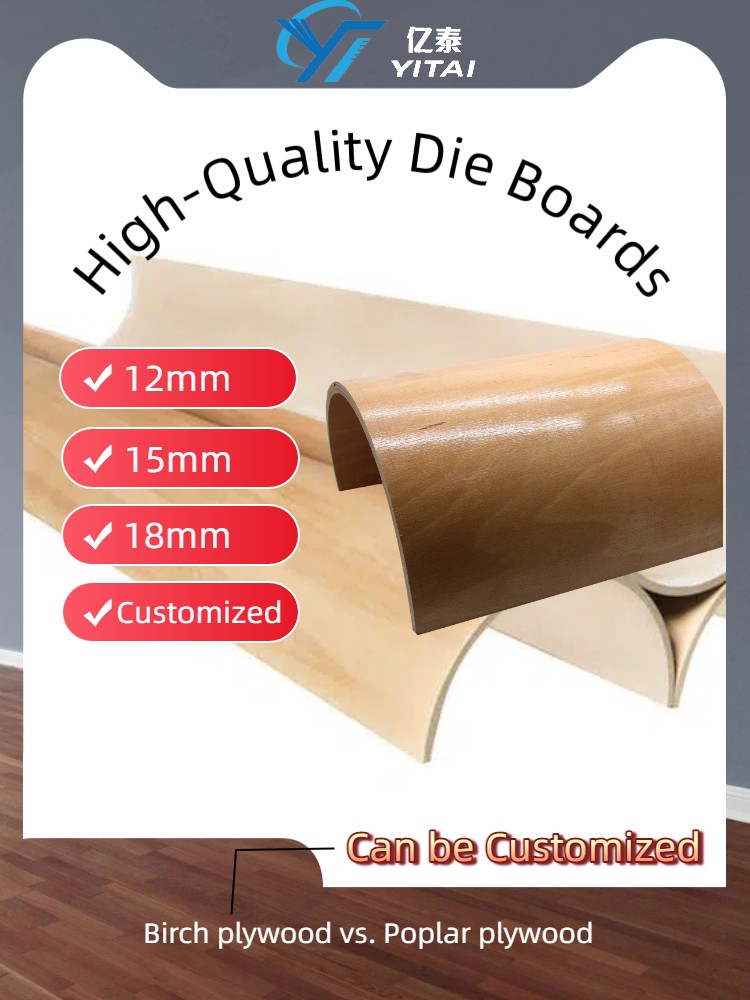
Some boards perform well initially but fail over time due to:
Deformation during long runs
Thickness changes caused by humidity
Accuracy loss after multiple knife or rule changes
Professionally engineered boards—such as 15mm laser cutting plywood, 15mm laser cutting die board, or die board laser die cut plywood—are designed for long-term dimensional stability, not just first-time use.
This is where the difference between best price plywood and CHINA best price plywood truly shows its value.
For die makers and packaging plants, consistency matters more than a single unit price.
Low-cost supplies often suffer from:
Thickness variation within the same order
Inconsistent performance between batches
Higher complaint and return rates
Reliable suppliers of Hot Sales plywood and Hot Sales die board focus on strict inspection standards—ensuring every 1220x2440mm plywood or 1220x2440mm die board performs consistently across production.
At first glance:
Board A: lower price
Board B: higher price
But in real production, hidden costs include:
Extra machine setup time
Increased scrap and rework
Downtime losses
Customer complaints and returns
In the long run, plywood for laser die board die making and die board for laser die board die making with stable quality always deliver better ROI.
Rotary die boards may look similar—but the difference lies in:
Material selection (birch vs. poplar core)
Precision machining
Structural stability
Batch consistency
Choosing the right factory-directly sales die board or plywood for flat die making is not about finding the cheapest option today.
It’s about selecting a high quality die board that ensures stable, controllable, and efficient production over time.
Send an inquiry right now, our sales will reply with the price within 12 hours.