In the packaging and die-cutting industry, reasonable matching of cutting rules, plywood boards and ejection rubber is the key to improving cutting quality, extending mold service life and reducing production costs. Different materials such as corrugated paper, solid cardboard, electronic films and self-adhesive labels require targeted die-cutting solutions with exclusive specifications and tolerance standards.
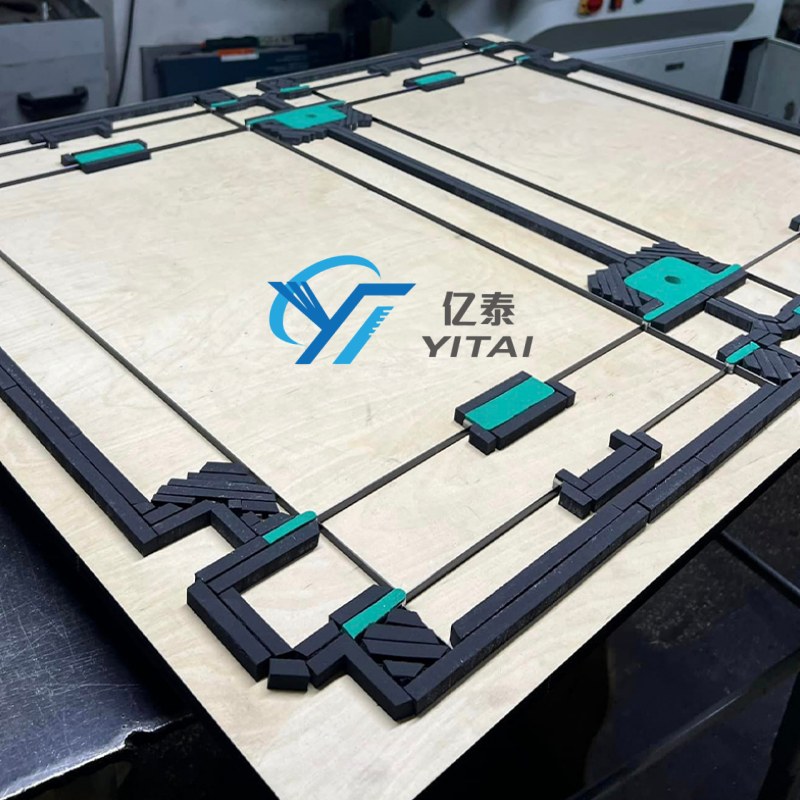
For corrugated paper processing, it is divided into 3-layer, 5-layer and 7-layer structures with various flute types. Common flutes include A, B, C, E and F in descending size. Combined types like AB, BC and BE are the most widely used for 5-layer corrugated boxes, while special combinations such as AA, BB, FF and EE can be customized. Seven-layer corrugated paper mostly adopts ABC and AAA combinations for heavy-duty packaging.
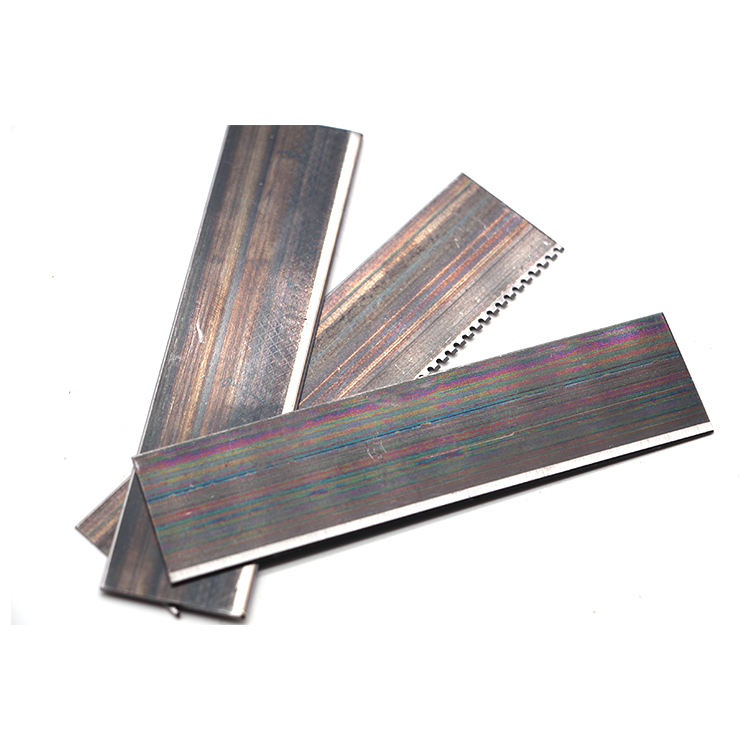
The standard blade height for corrugated die cutting is unified at 23.8mm, and 23.6mm blades are rarely used, which belongs to the Japanese industrial standard. The collocation principle follows a clear rule: thicker paper needs higher blades and thinner plywood. For A-flute corrugated paper, 15mm plywood matched with 1.07mm blades is the optimal solution. B, C, E and F flutes universally adopt 18mm plywood with 0.71mm blades. To achieve longer die-cutting service life, high-quality imported blades and high-density plywood are highly recommended.
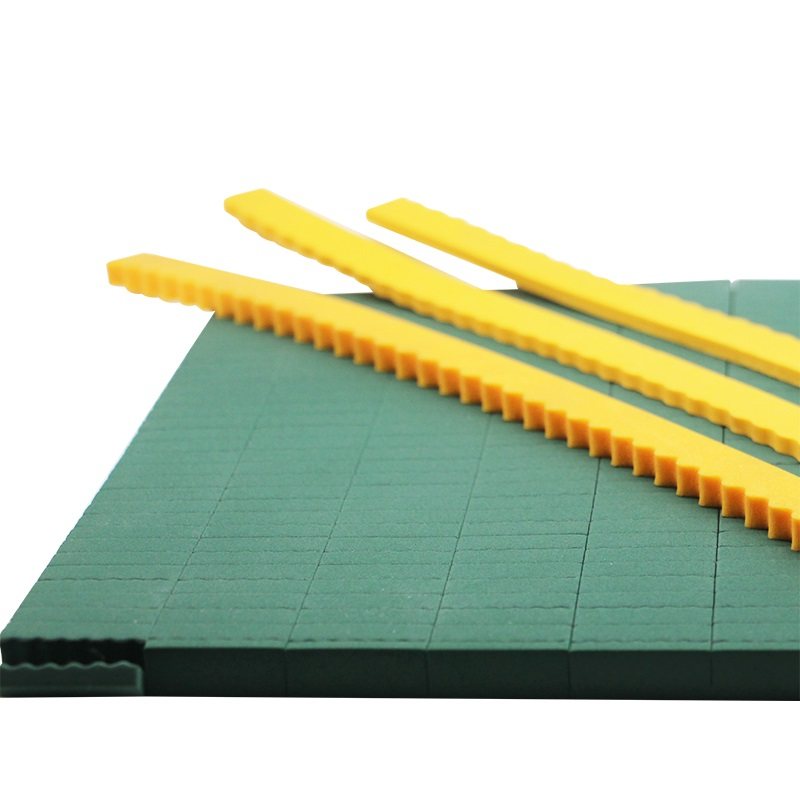
Supporting ejection foam also has fixed matching standards. 15mm plywood corresponds to 12mm foam, and 18mm plywood matches 9mm foam. White foam is cost-effective for ordinary production and traditional tiger die-cutting machines, while green foam is selected for high-precision and high-frequency production scenarios. For rotary die cutting, only two standard blade heights of 23.8mm and 25.4mm are available. The overall tolerance of corrugated molds is controlled between ±0.1mm to ±0.3mm to ensure stable box forming.
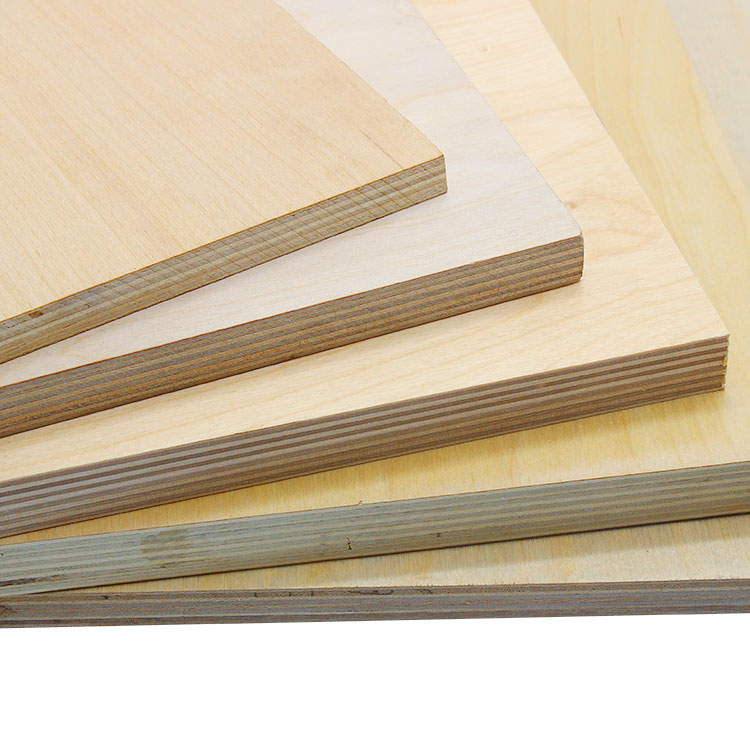
Solid cardboard is classified by basis weight, including 250g, 300g, 350g and 400g specifications. It generally adopts 18mm plywood and 23.8mm standard blades. For high-precision folding and packaging requirements, etched dies are ideal, with a precise tolerance of ±0.05mm. For mass production with waste removal demands, a complete waste stripping mold set composed of male and female molds is necessary. Cardboard processing also needs box separators for smooth separation. The plywood for waste stripping molds usually chooses 12mm or 15mm thickness.
Electronic molds are specially designed for processing film materials, copper sheets and label papers. Wooden and rubber plate electronic molds own a basic tolerance of ±0.1mm. Full birch wooden electronic molds adopt 23.6mm blade height, equipped with 20mm or 22mm thick boards; thicker boards effectively promote overall cutting stability and precision. Rubber plate electronic molds have diversified collocations: 8mm blade with 6mm board, 9.5mm blade with 8mm board, and 12mm blade with 10mm board.
CNC integrated molds including etched dies and engraved dies can also process film products, with a higher tolerance up to ±0.05mm. The steel plate thickness of etched dies ranges from 1.5mm to 3mm, while engraved dies use 8-10mm steel plates, which need aluminum plates for height compensation. Integrated small-size engraved dies can also be customized for special small-batch processing.
Self-adhesive die-cutting molds are lightweight and compact, using 6mm or 9mm plywood. The supporting blades are 0.45mm in thickness, with optional heights of 7mm, 8mm, 9.5mm and 12mm, fully meeting the fine cutting needs of labels, stickers and thin adhesive materials.
Send an inquiry right now, our sales will reply with the price within 12 hours.